











Skip to content
Data Lineage
Data Lineage

Know where your data has been and where it's going

Visualize your full data lifecycle with automated, native lineage to power trusted AI and analytics
Key features
and capabilities

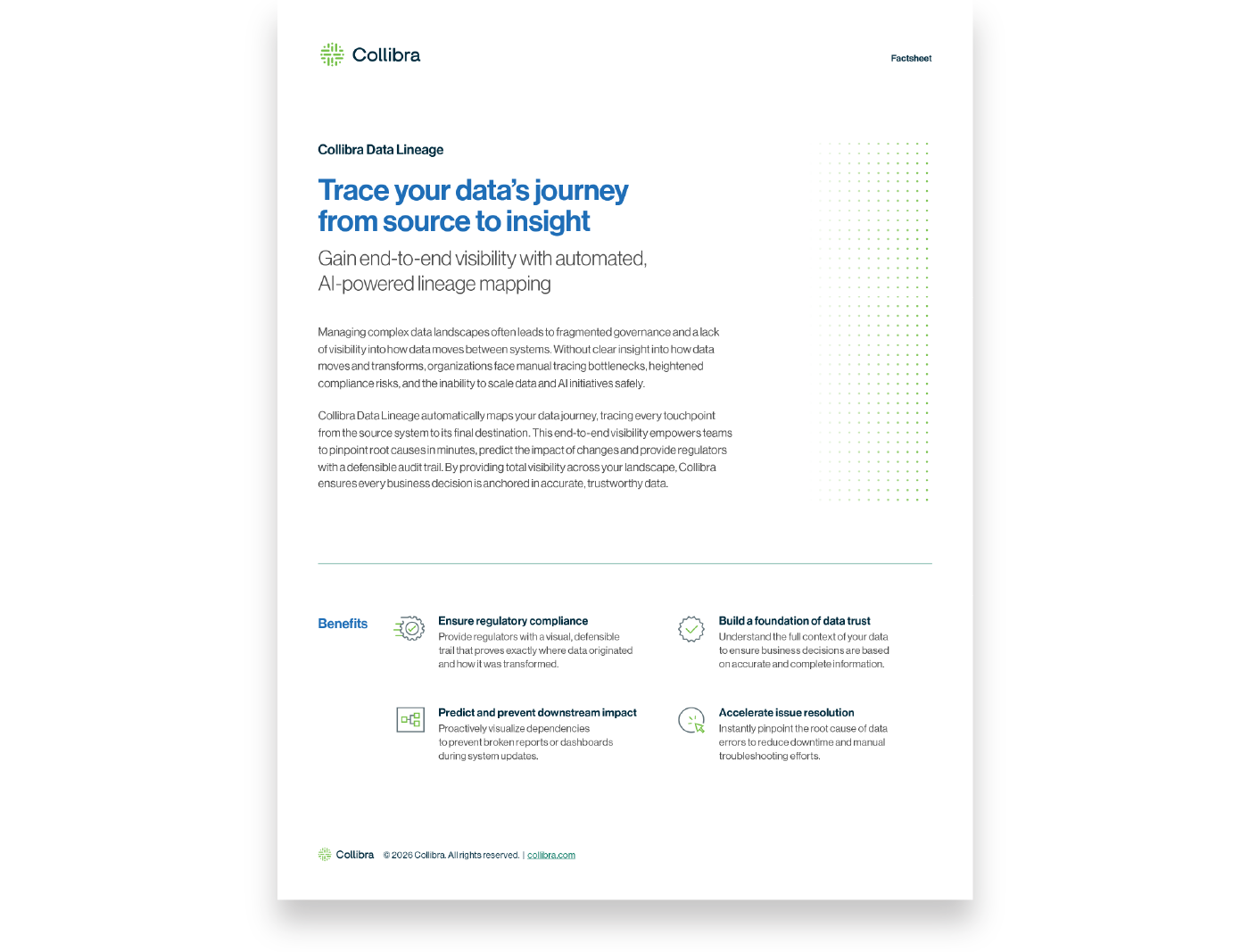
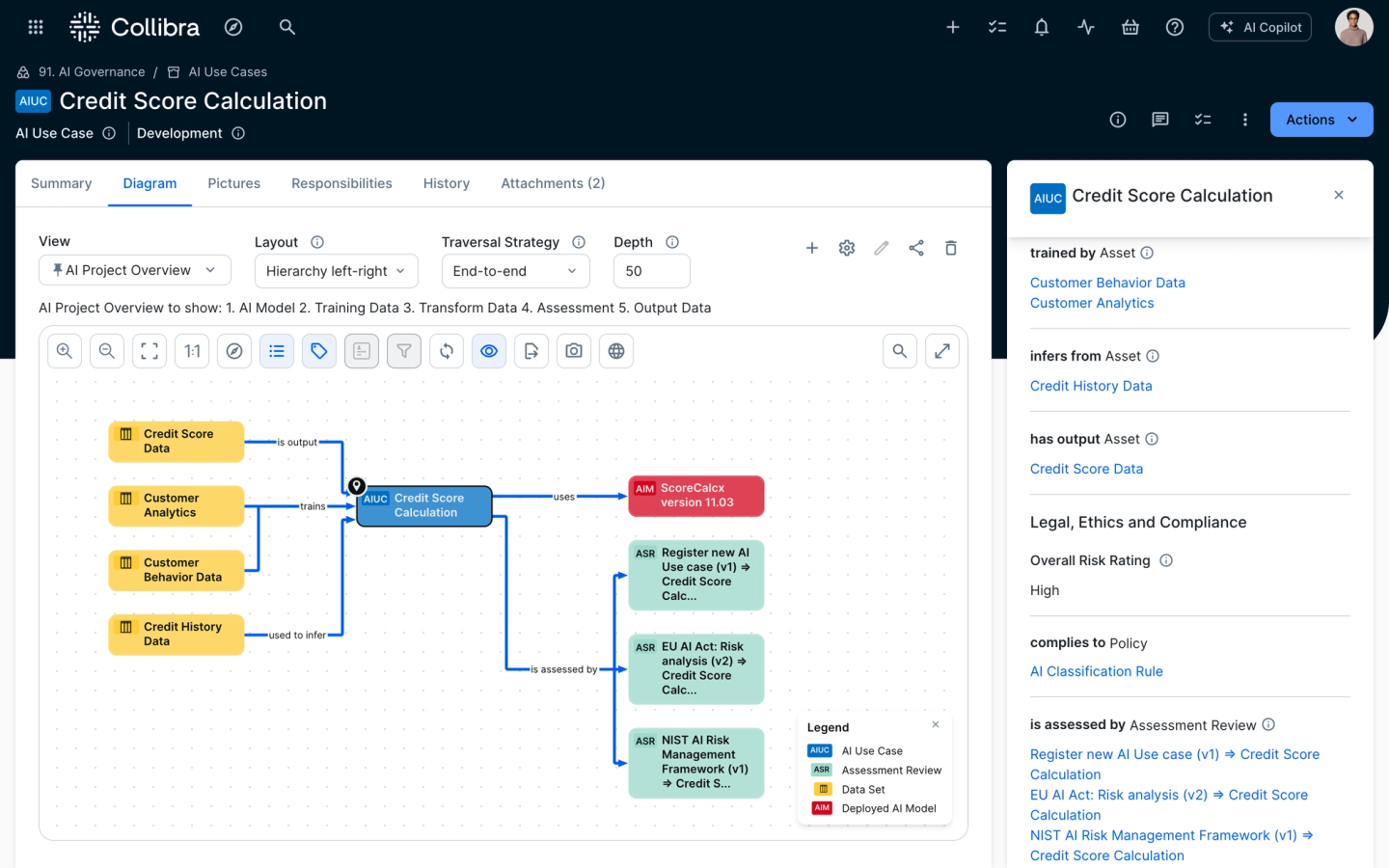
Collibra Data Lineage maps the exact journey of your data, exposing every transformation and dependency. Gain absolute clarity and control across your entire data and AI ecosystem with native, end-to-end visualization.

Automate data lineage extraction

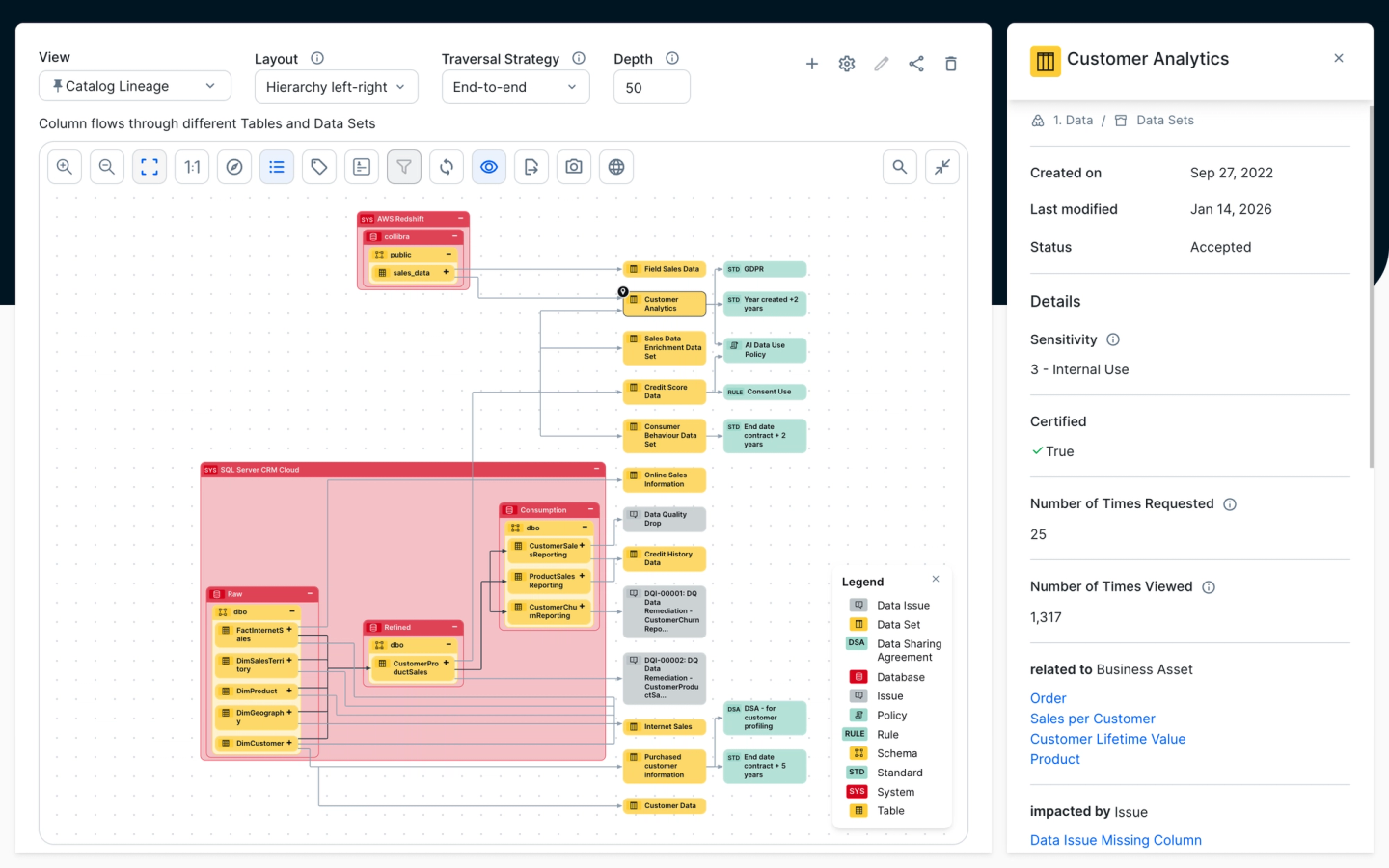
Automatically map data lineage across all sources, ETL and BI tools for an end-to-end view with complete context.

  • Reduce manual effort
    Eliminate the burden of manual mapping with AI-powered lineage extraction that instantly documents data flows
  • Ecosystem-wide support
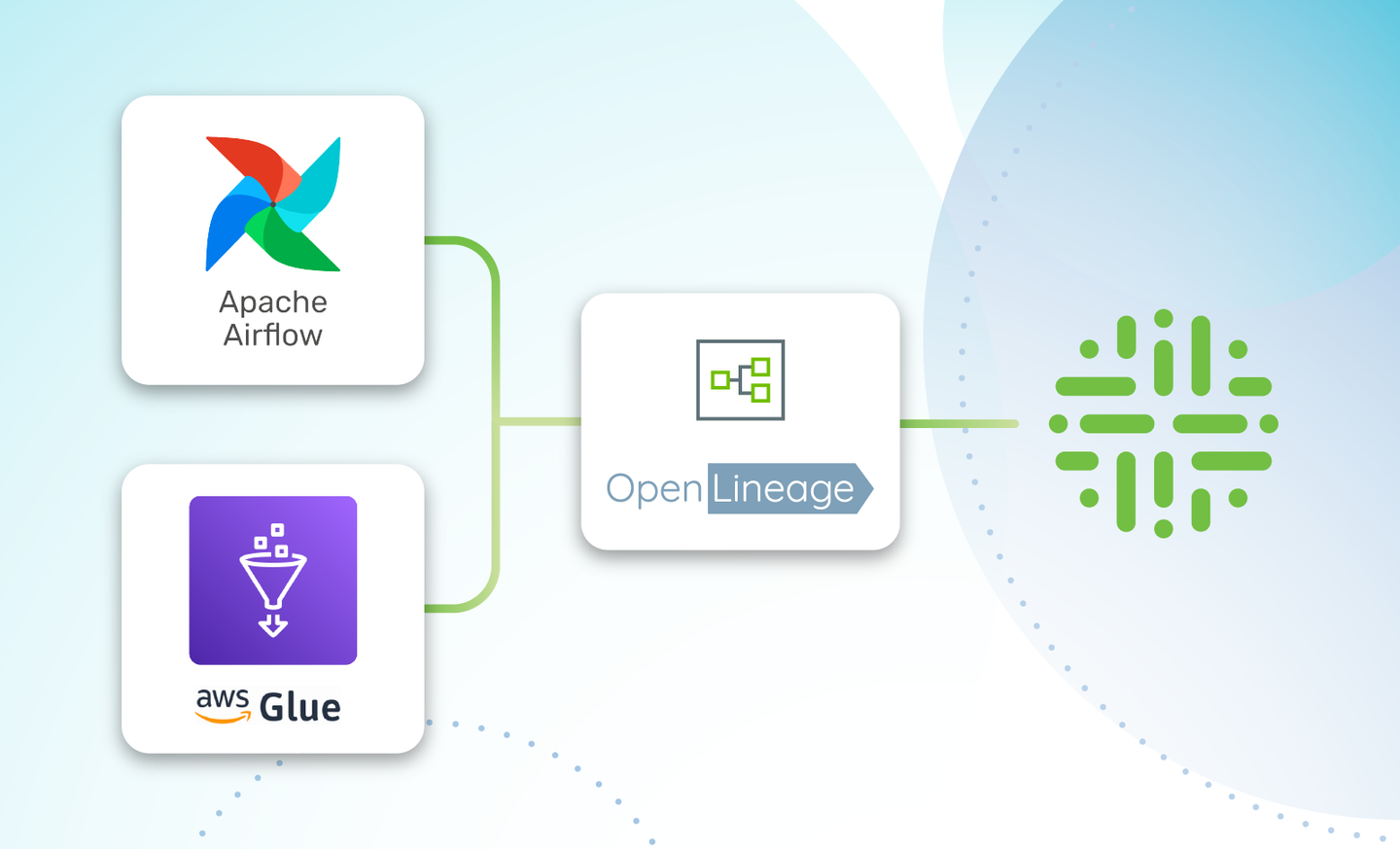
    Seamlessly integrate with nearly 40 data sources, including SQL databases ETL tools, and BI platforms
  • Assure explainable AI
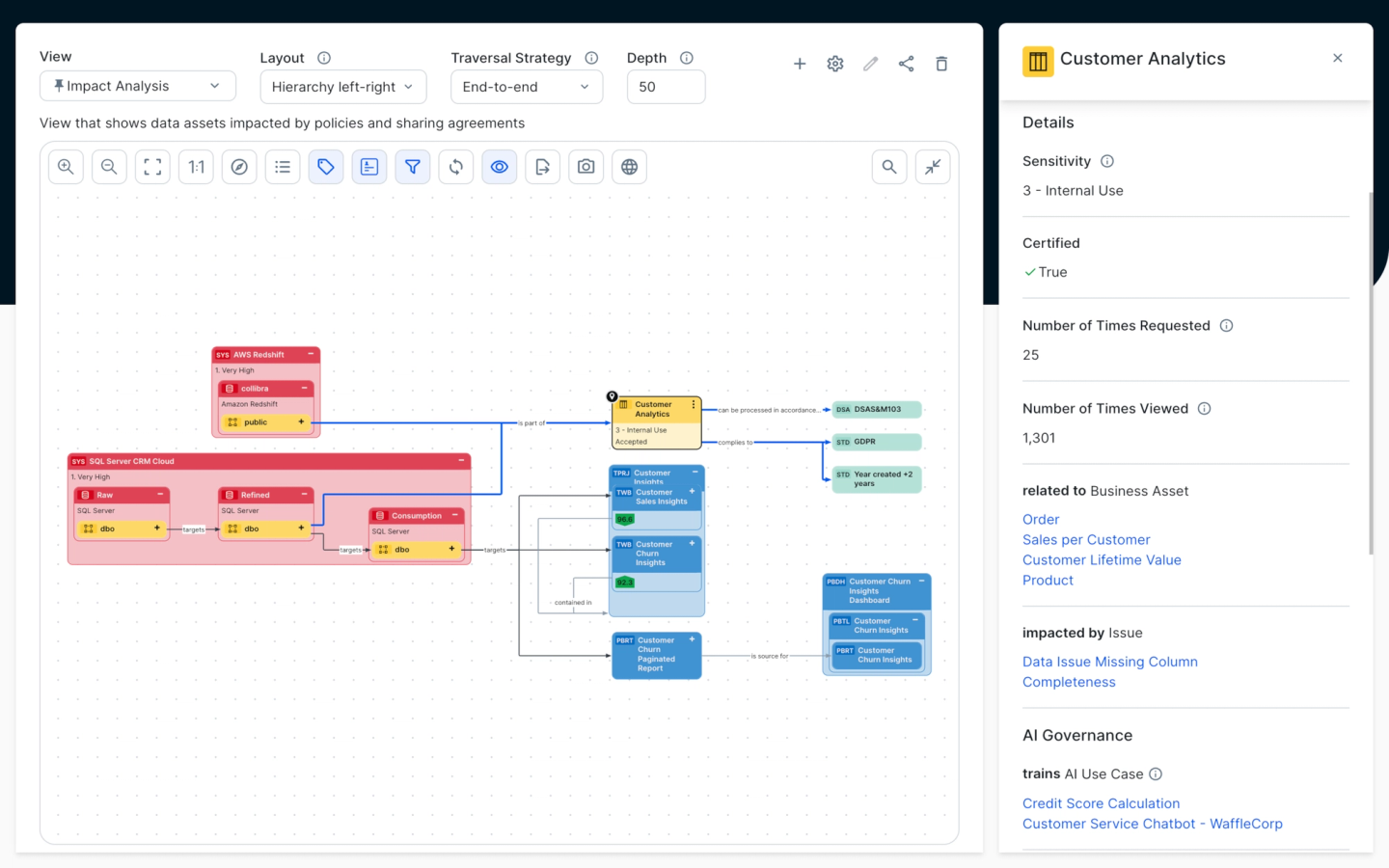
    Build trust in AI by tracing inputs to their source and visualize the policies required to prove fairness, privacy and compliance

Prevent data issues and trace root causes

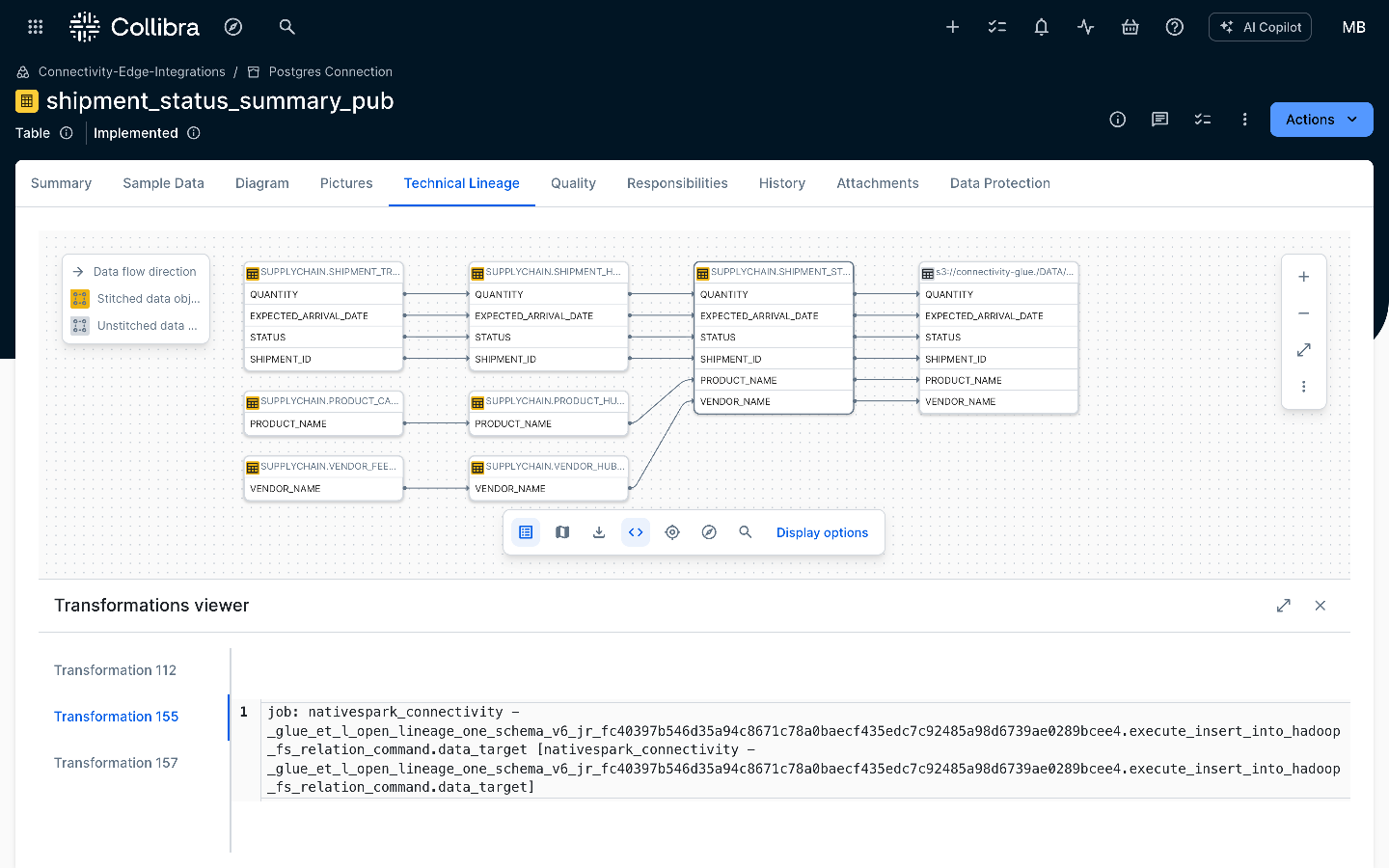
Trace root causes and analyze downstream impacts at the table, column and report level to accelerate issue resolution.

  • Reduce downtime and discrepancies
    Quickly Identify and resolve data issues to minimize potential losses or misinformed decisions
  • Anticipate downstream effects
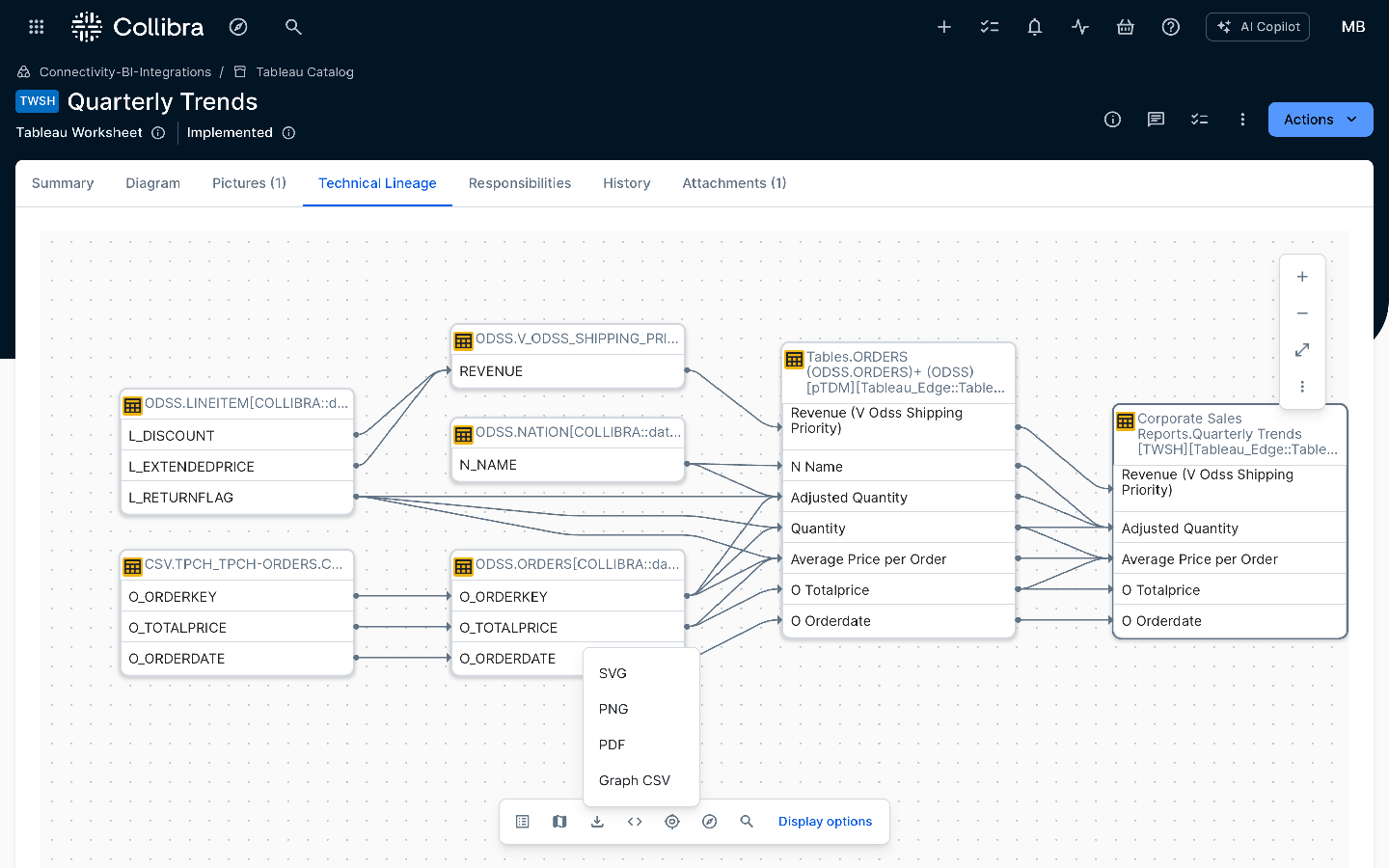
    Instantly visualize how changes to data sources or calculations propagate across your landscape to eliminate change management guesswork
  • Accelerate proactive data management
    Gain complete visibility to identify root causes and understand downstream impacts before they escalate

Speed time to insight

Understand the full context of data to assure accurate, complete and trustworthy business decisions.

  • Accelerate decisions
    Act with speed and agility by replacing data skepticism with the Data Confidence™ that comes from trusted, traceable insights
  • Eliminate decision friction
    Establish shared trust in data with granular lineage visibility, ending debates over "whose numbers are right"
  • Pinpoint error sources
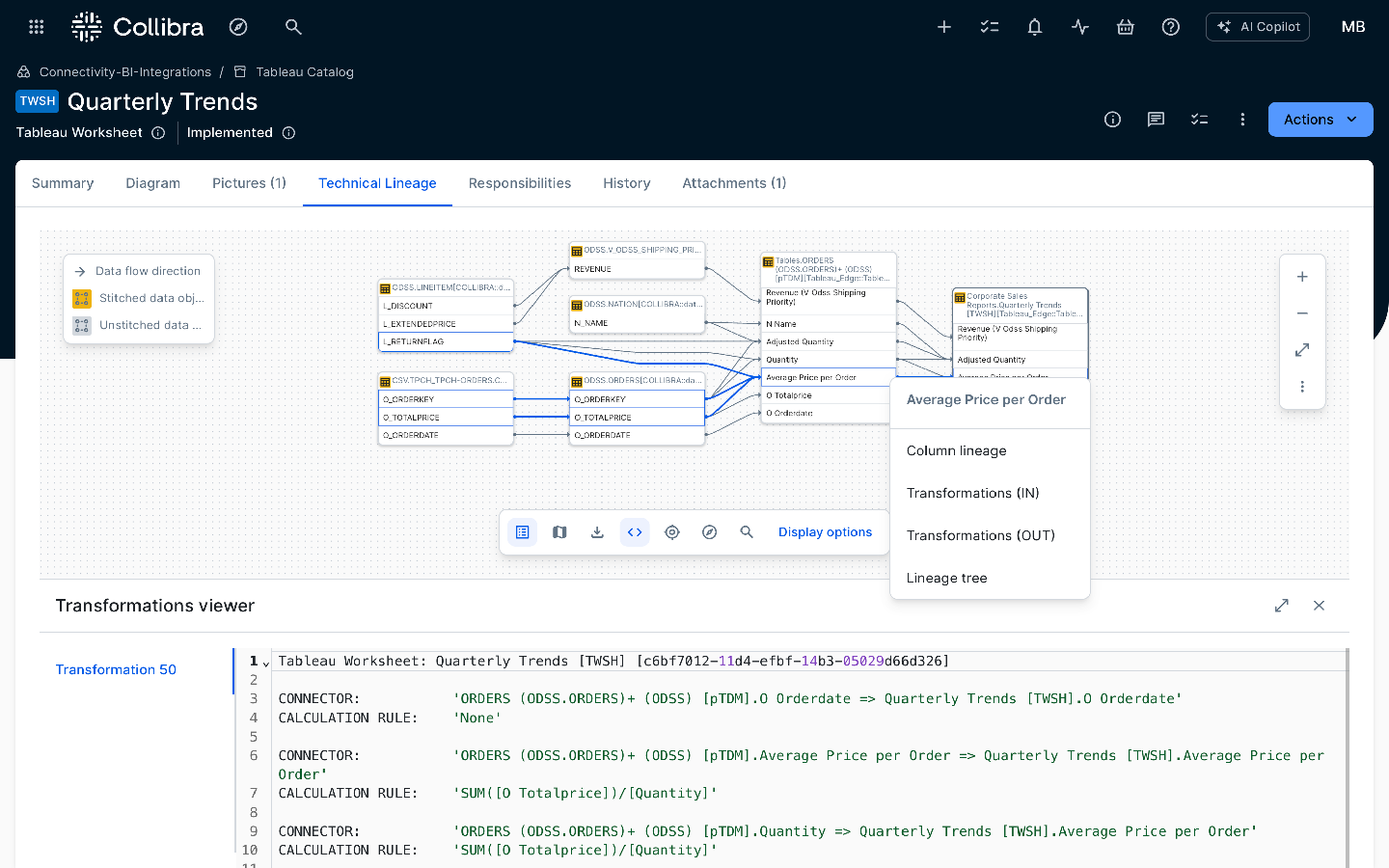
    Restore trust in reporting quickly by gaining granular visibility into the exact transformation logic behind every data anomaly

Ensure compliance with data traceability

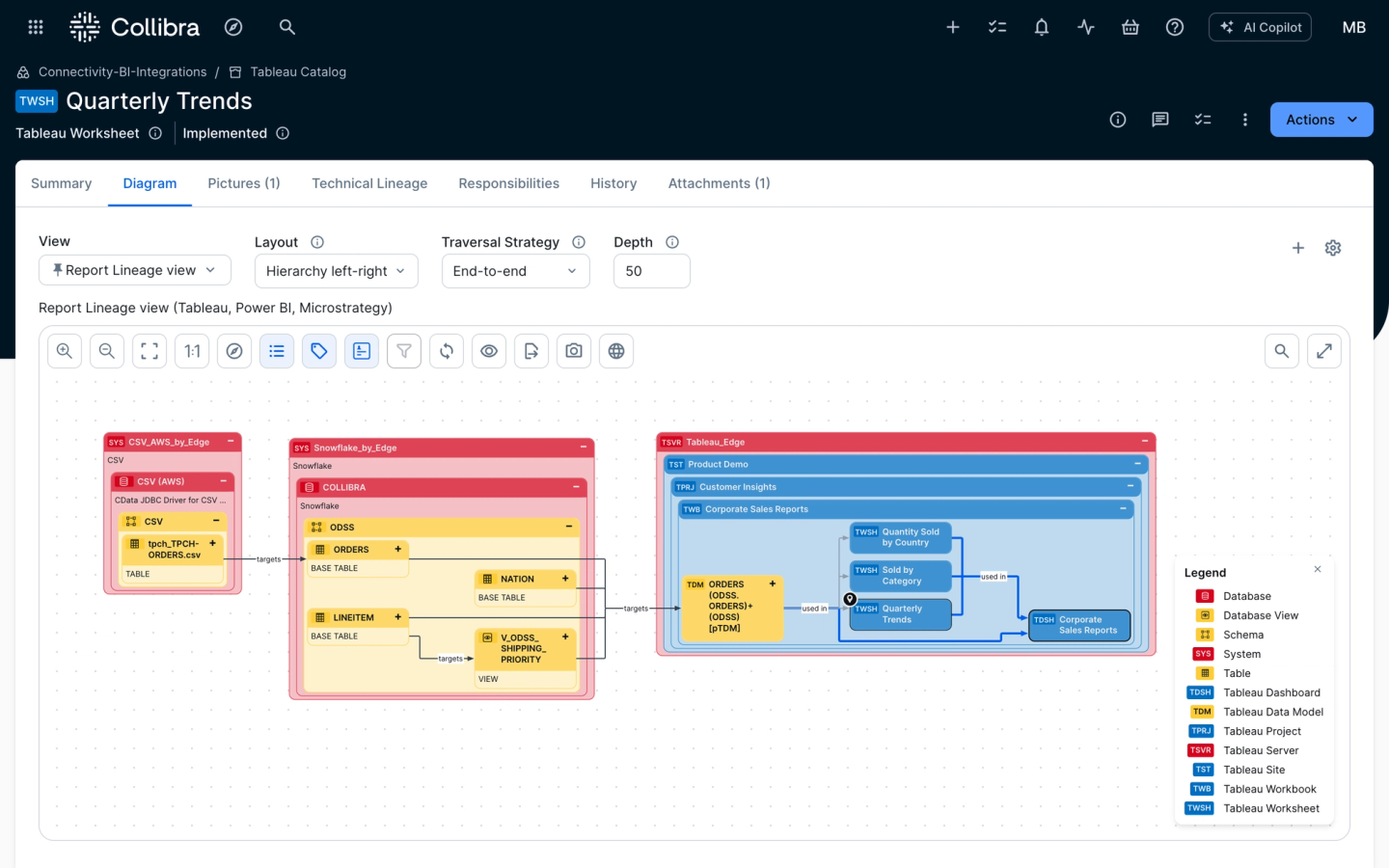
Trace data flows across systems and processes, identify purpose and location of processing and ensure contracts and controls are in place.

  • Visualize audit trails
    Satisfy strict regulatory demands with a visual audit trail that proves exactly where data originated, how it was processed and who accessed it
  • Verify data integrity
    Prove to regulators that the data used for regulatory reporting is accurate, complete and consistent across systems
  • Mitigate risk
    Pinpoint where sensitive data resides, how it's exposed and where potential vulnerabilities or compliance gaps might exist

Learn how data lineage transforms and enables your teams

Learn. Grow. Be inspired.

From expert insights to guided learning paths and in-depth product resources, we make it easy for every Data Citizen to use data.

Consistently recognized as a leader, setting the standard for what’s next

Gartner® Magic Quadrant for Data and Analytics Governance Platforms

Get the Gartner report

Frequently asked questions

What is data lineage and why is it important?

Data lineage documents the full lifecycle of your information, tracking how data moves, transforms and resides within your organization. By mapping these flows and dependencies, lineage makes your information meaningful, giving you immediate visibility into where your data came from, where it is now and where it is going.

Understanding this journey is crucial for building trust in your data. Accurate lineage strengthens data quality, security and governance, while also simplifying troubleshooting by allowing you to quickly trace errors and eliminate bottlenecks. Ultimately, accurate lineage builds trust in your analytics, empowering stakeholders to make confident, strategic decisions and ensures regulatory readiness.

What are the benefits of data lineage?

Data lineage helps organizations in the following ways:

  • Ensure regulatory compliance and mitigate risks: Provides a defensible, auditable trail of data transformations across the data ecosystems.
  • Increase productivity: Automatically extract and maintain lineage from various source systems.
  • Better understand and trust your data: Understand the full context of your data to ensure accurate, complete and trustworthy data is used to drive business decisions.
  • Save time doing manual impact analysis: Enable impact analysis at a granular level (columnar, table, or business report) of any changes to downstream systems.
What are the different types of data lineage?

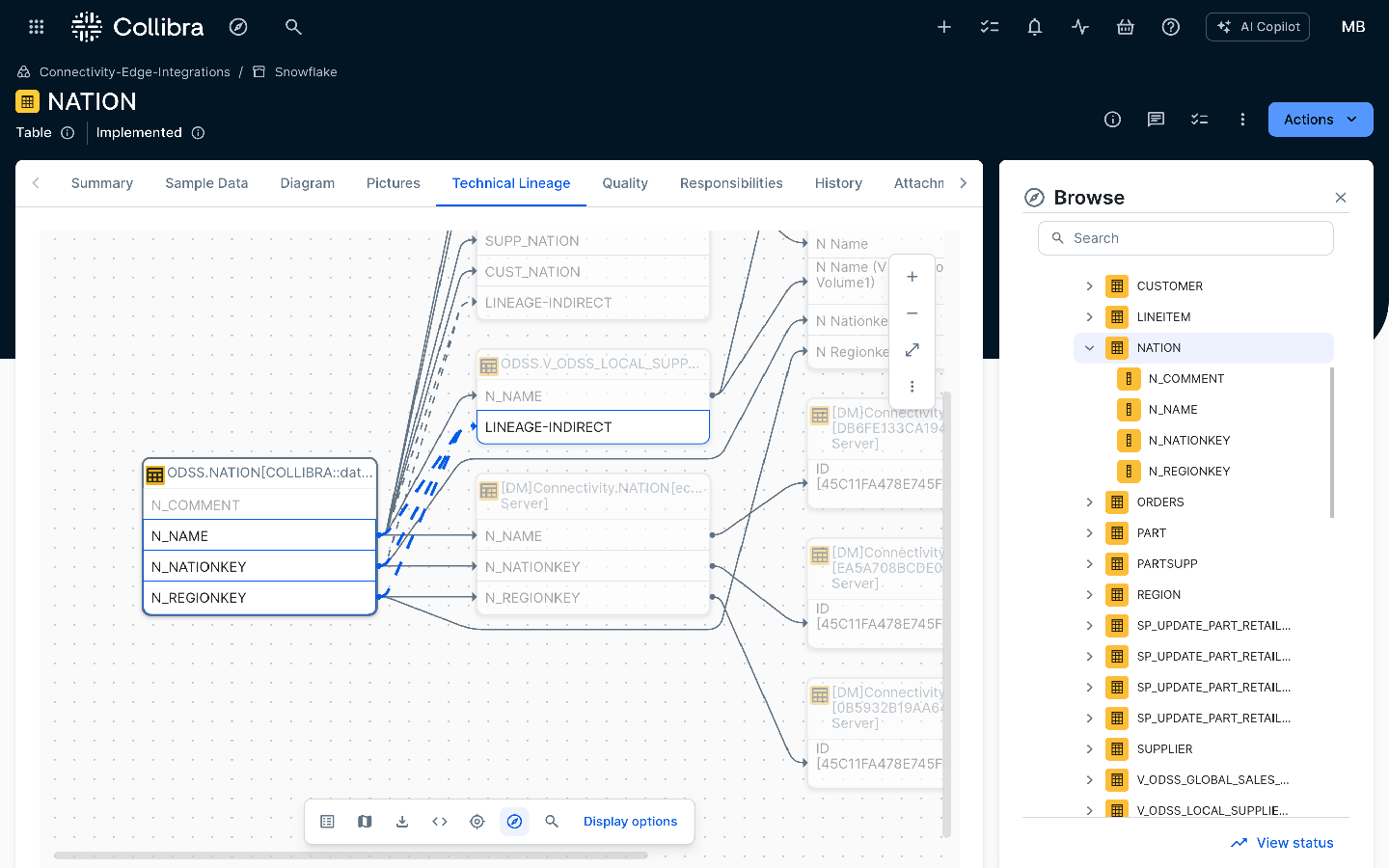
There are two different types of data lineage: business lineage and technical lineage. Technical data lineage typically involves analyzing column-level lineage at the field or attribute level. This granularity helps technical teams identify precisely how columns get calculated, transformed or affected by changes in informational pipelines within an organization.

Business lineage generally aligns with table-level data lineage, providing broader visibility across datasets. It helps stakeholders understand how information interacts, clarifying how entire datasets contribute to organizational outcomes.

What is the difference between data lineage diagrams and data flows?

Data flows simply visualize the movement of data between systems. Data lineage, however, provides the complete picture, tracking the data's entire lifecycle from its origin to its final consumption, including every transformation.

The road to Data Confidence starts here.