












Clinical data is only as credible as its context
Share on:



Everyone has had this experience: you're scrolling through your phone's photo gallery and you find a picture — but you can't remember when it was taken, where you were or which device captured it. The image itself is right there in front of you, but without the surrounding context, its meaning is diminished. You can't place it. Did you take the photo? Or was it sent to you in a text and you saved it? Who could have sent it?
Now imagine that photo is a clinical trial data point…
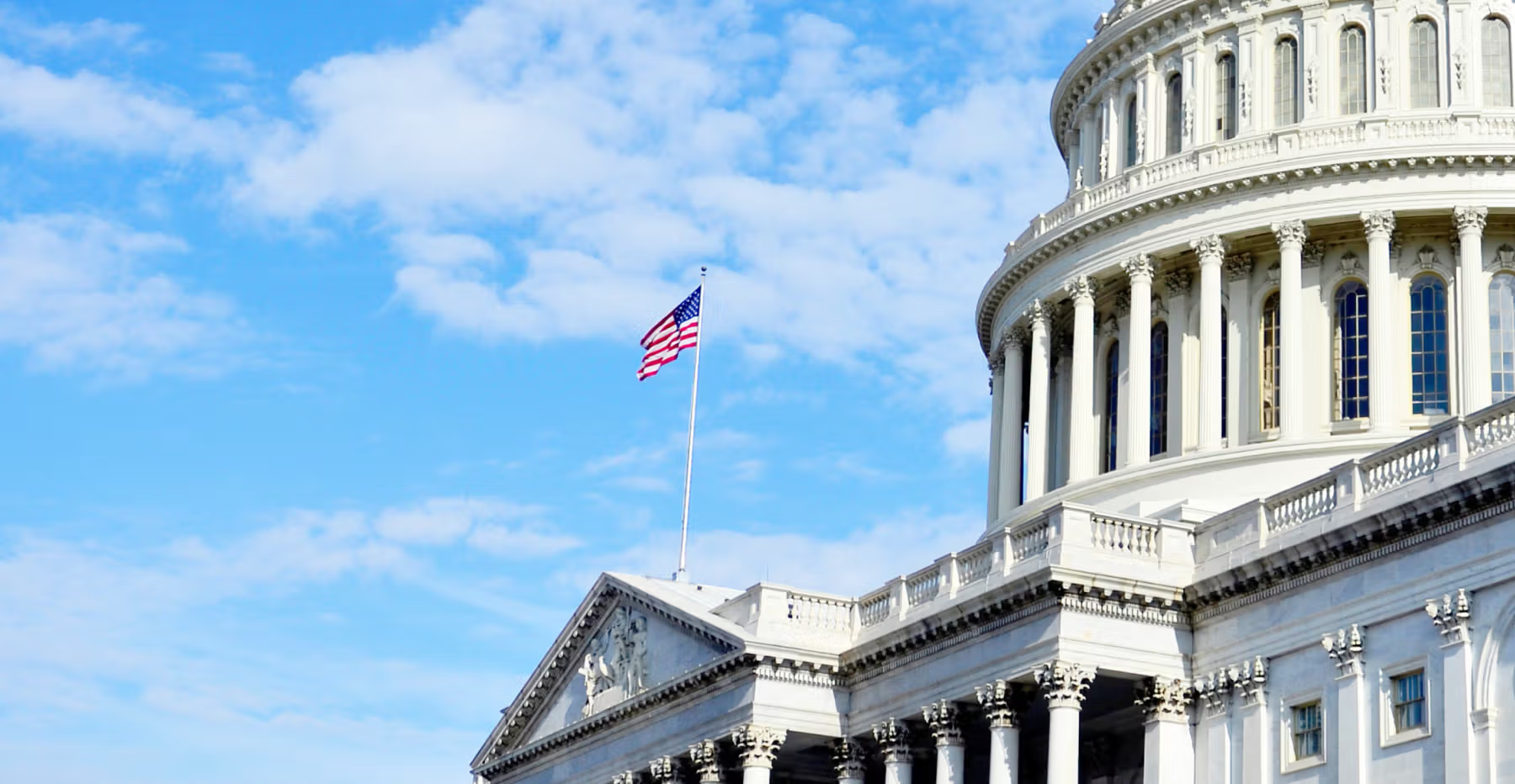
…And, the regulator asking about it is the FDA.
In pharma, life sciences and biotech, metadata is the currency of credibility.
Every compound tested, every patient outcome recorded, every adverse event logged represents years of investment and, more importantly, a commitment to patient safety. But here is the uncomfortable truth that many life sciences organizations still underestimate: the data itself is only half the story. The metadata — the context surrounding that data — is what makes it trustworthy, defensible and ultimately approvable.
Metadata in life sciences isn't a technical afterthought. It is the chain of custody for your science. It answers the questions that regulators, auditors and review boards will inevitably ask: Who collected this data point? When, exactly? On which system? Was that system validated? Has this record been altered? If so, by whom and why?
Without robust, well-governed metadata, even the most compelling efficacy data can unravel under scrutiny. A clinical dataset that cannot demonstrate its own integrity — through audit trails, timestamps, system identifiers and lineage — is a dataset that cannot be trusted, regardless of what the numbers show.
This is not hypothetical. FDA 21 CFR Part 11, ICH E6 (GCP), ALCOA+ principles (Attributable, Legible, Contemporaneous, Original, Accurate) are all, at their core, metadata standards. They exist because regulators learned, through hard experience, that data without verifiable context is vulnerable to error, manipulation and misinterpretation. Meeting these standards isn't just a compliance exercise — it is the foundation of drug approvals, patient safety decisions and public trust.
For Chief Data Officers (CDOs) and Chief Risk Officers (CROs), the strategic implication is clear: metadata governance must be treated with the same rigor as the data itself. This means investing in systems that capture metadata automatically and consistently, establishing clear ownership and stewardship policies, and ensuring that metadata is machine-readable and audit-ready — not buried in spreadsheets or siloed across disconnected platforms.
It also means shifting organizational culture. Data scientists and clinical operations teams need to understand that a well-documented dataset with strong metadata is not just more compliant — it is more valuable. It accelerates review cycles, reduces queries during regulatory submissions and builds the kind of institutional credibility that pays dividends across every future filing.
Going back to the photo analogy: a photo with full metadata — date, location, device, subject, photographer, even lighting conditions — tells a complete, verifiable story. A photo without it is just an image. In your next NDA or BLA submission, the difference between those two things could be the difference between approval and a complete response letter. In Life Sciences and healthcare, metadata hygiene is as critical as the master data.
Your data tells the story. Your metadata proves it's true.

Collibra
Collibra
Enterprise AI Control Plane
Share on:
Related articles

Data LineageJanuary 27, 2022
Accelerate IFRS-17 Compliance with Data Intelligence Platform

Data LineageSeptember 12, 2024
What is data observability and why is it important?

Data Quality & ObservabilityJune 17, 2026
Data observability platform: How to proactively monitor and trust your data at scale
AI Command CenterMarch 31, 2026
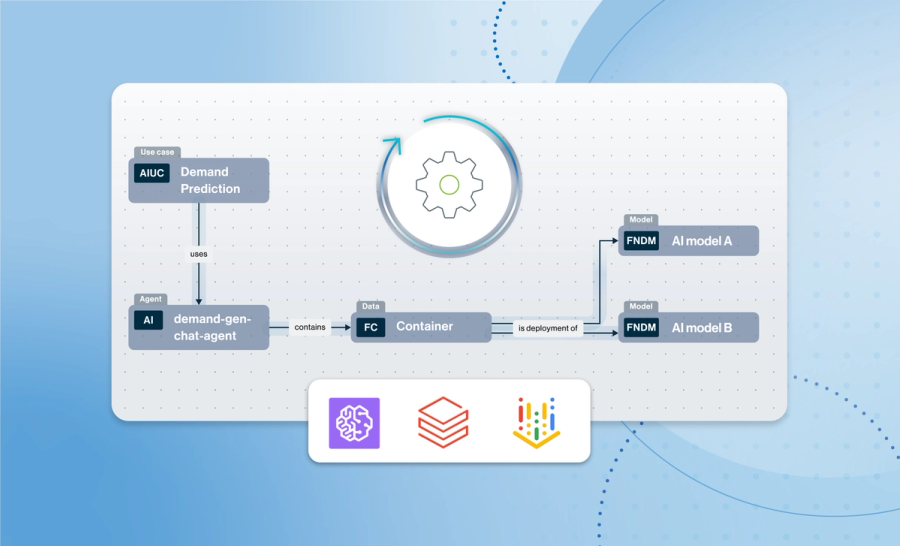
Automated AI traceability across Vertex AI, SageMaker, Databricks
Keep up with the latest from Collibra
I would like to get updates about the latest Collibra content, events and more.
Thanks for signing up
You'll begin receiving educational materials and invitations to network with our community soon.