










Skip to content
Data Governance
Data Governance

Maximize your data potential through governed usage

Create a trusted data foundation to unlock value, reduce risk and power smarter decisions.
Key features
and capabilities

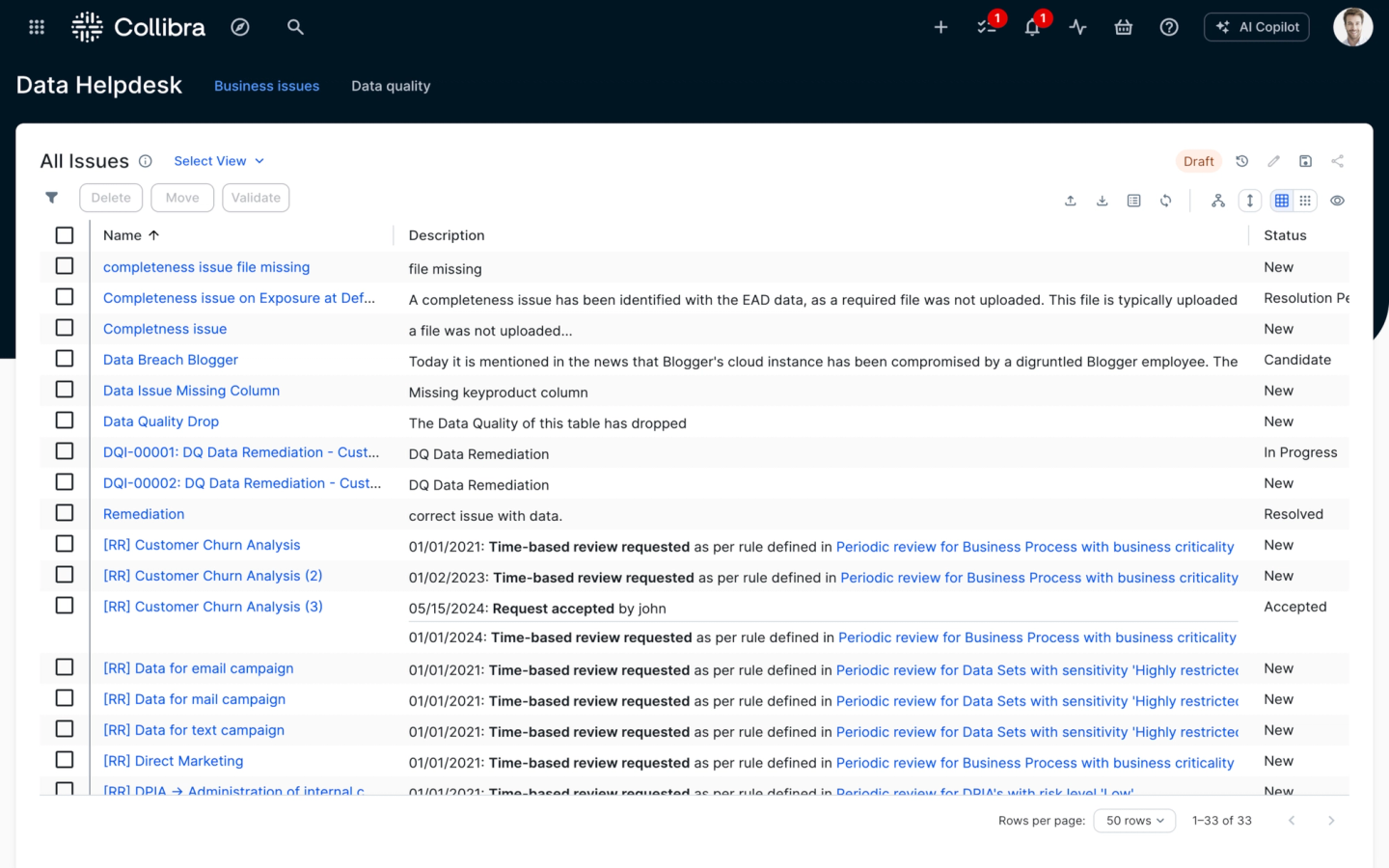
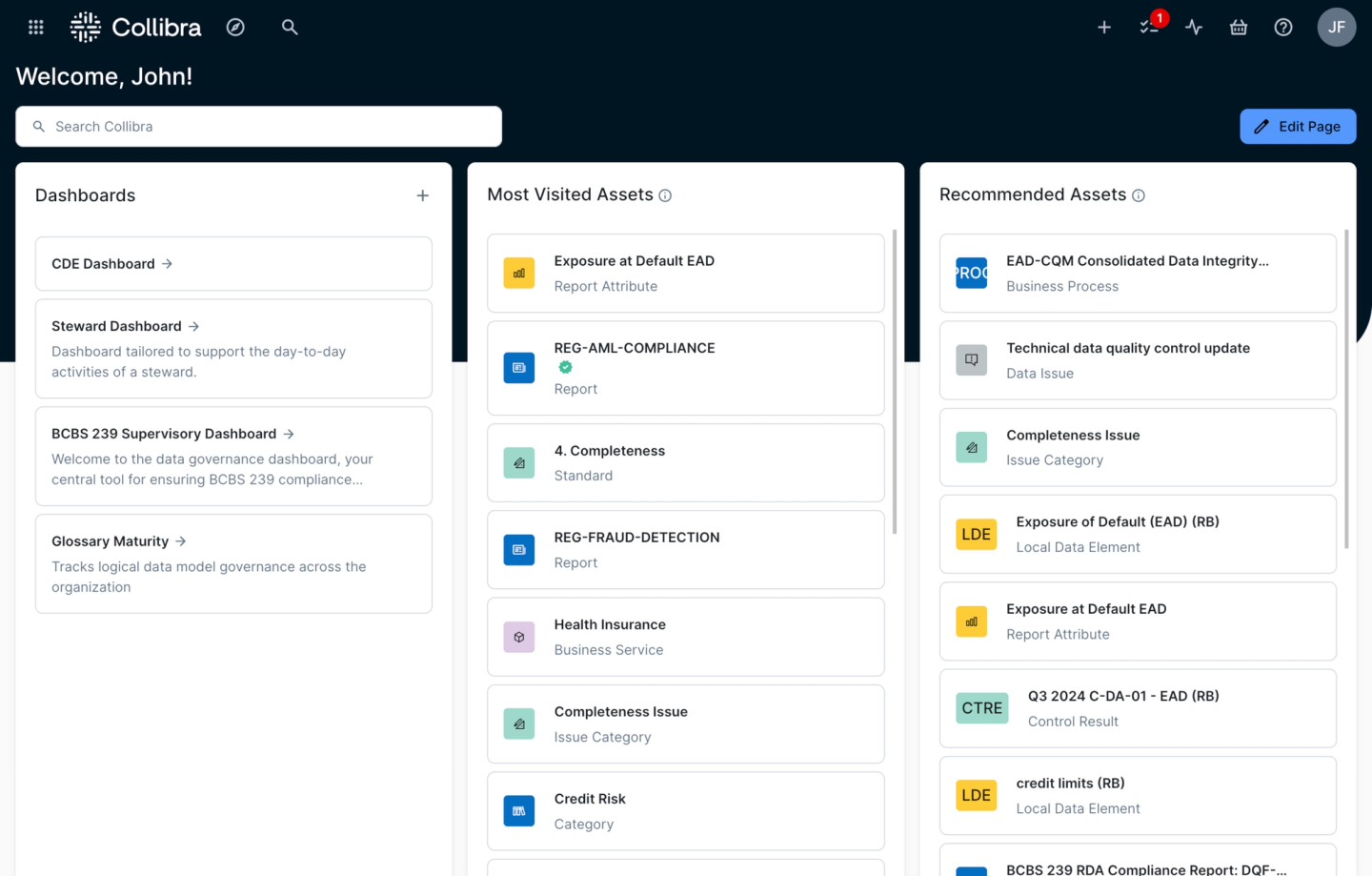
Collibra Data Governance automates workflows and centralizes policies to create a single source of truth. Operationalize your strategy, ensure regulatory readiness and unlock data value for business initiatives.

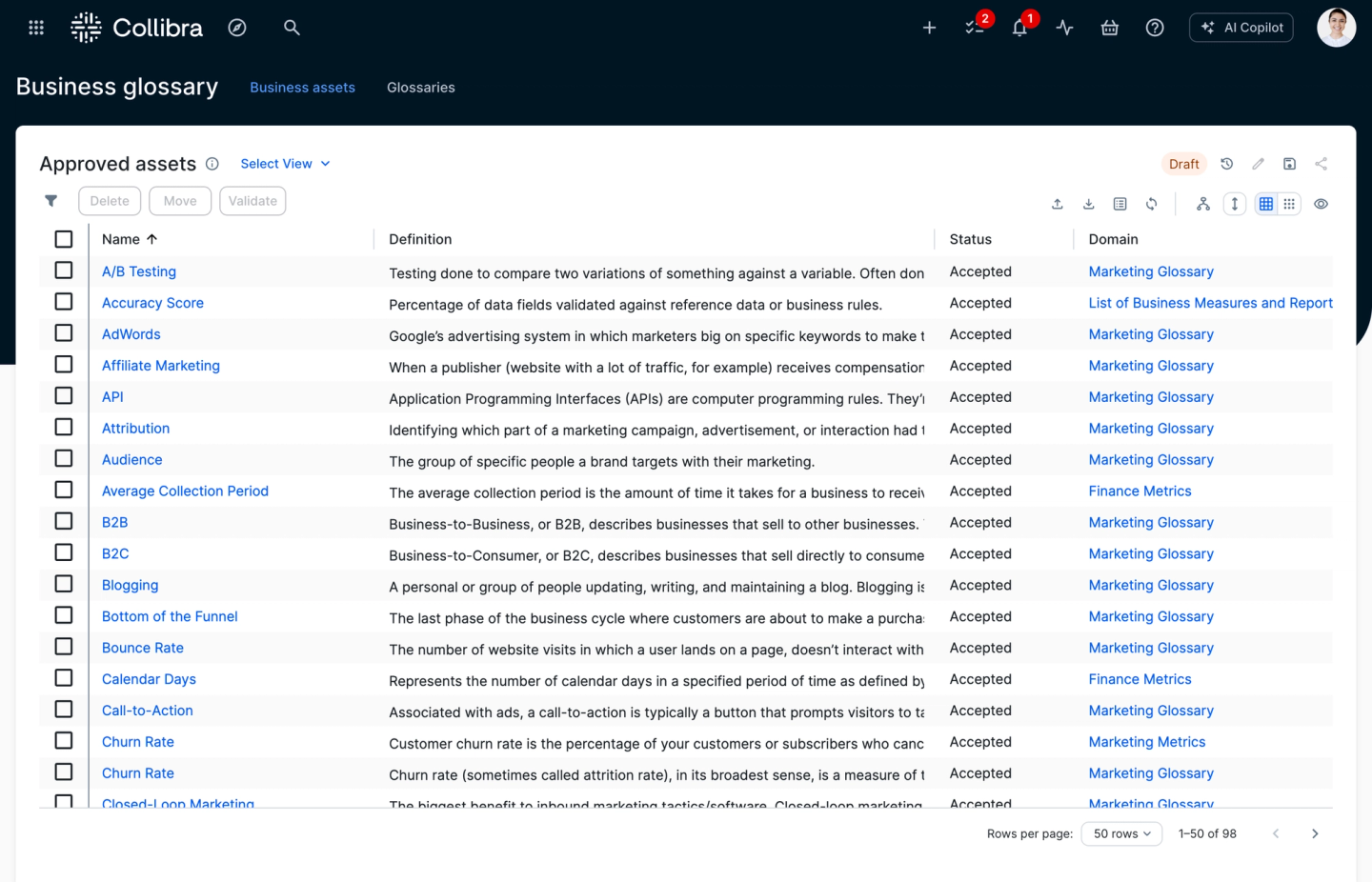
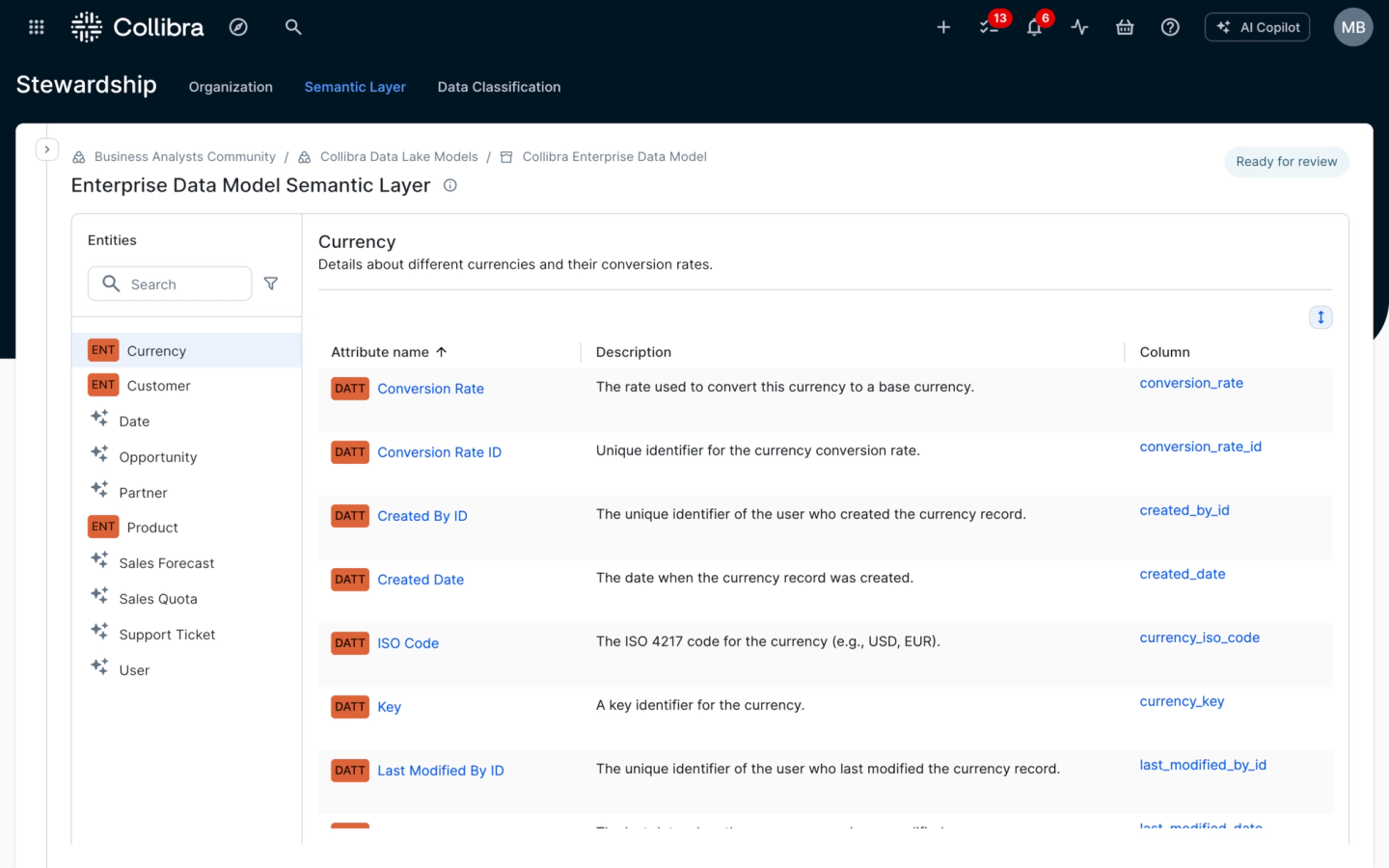
Create a shared language

Drive a consistent understanding of key business terminology, rules and metrics in one location.

  • Eliminate ambiguity and misinterpretations
    Align the entire organization around a single, approved source of truth for all business terms
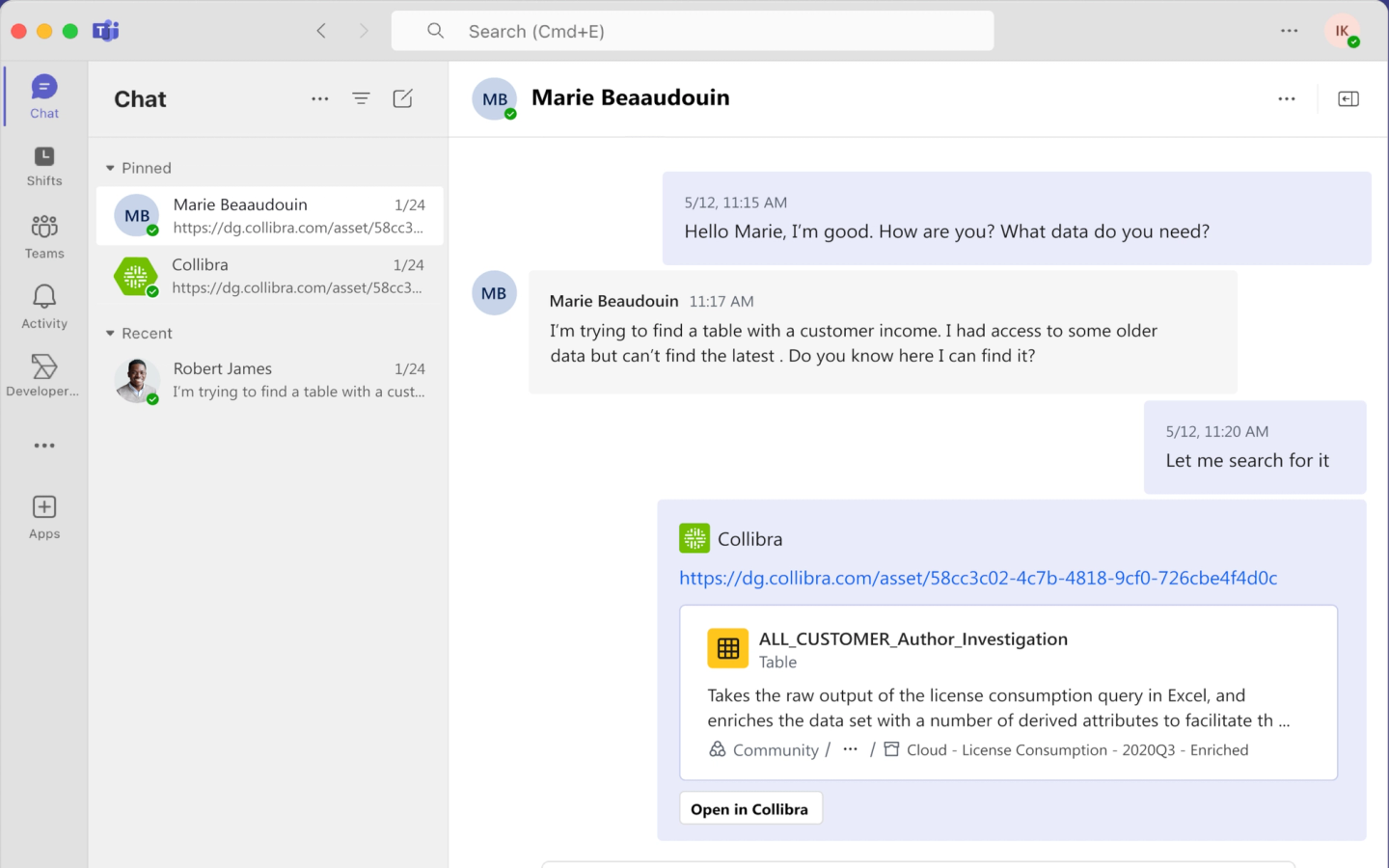
  • Find and understand data with context
    Accelerate time-to-insight by empowering users to instantly discover data and understand its full business context
  • Foster collaboration and data literacy
    Break down silos by enabling seamless teamwork and shared ownership of data definitions

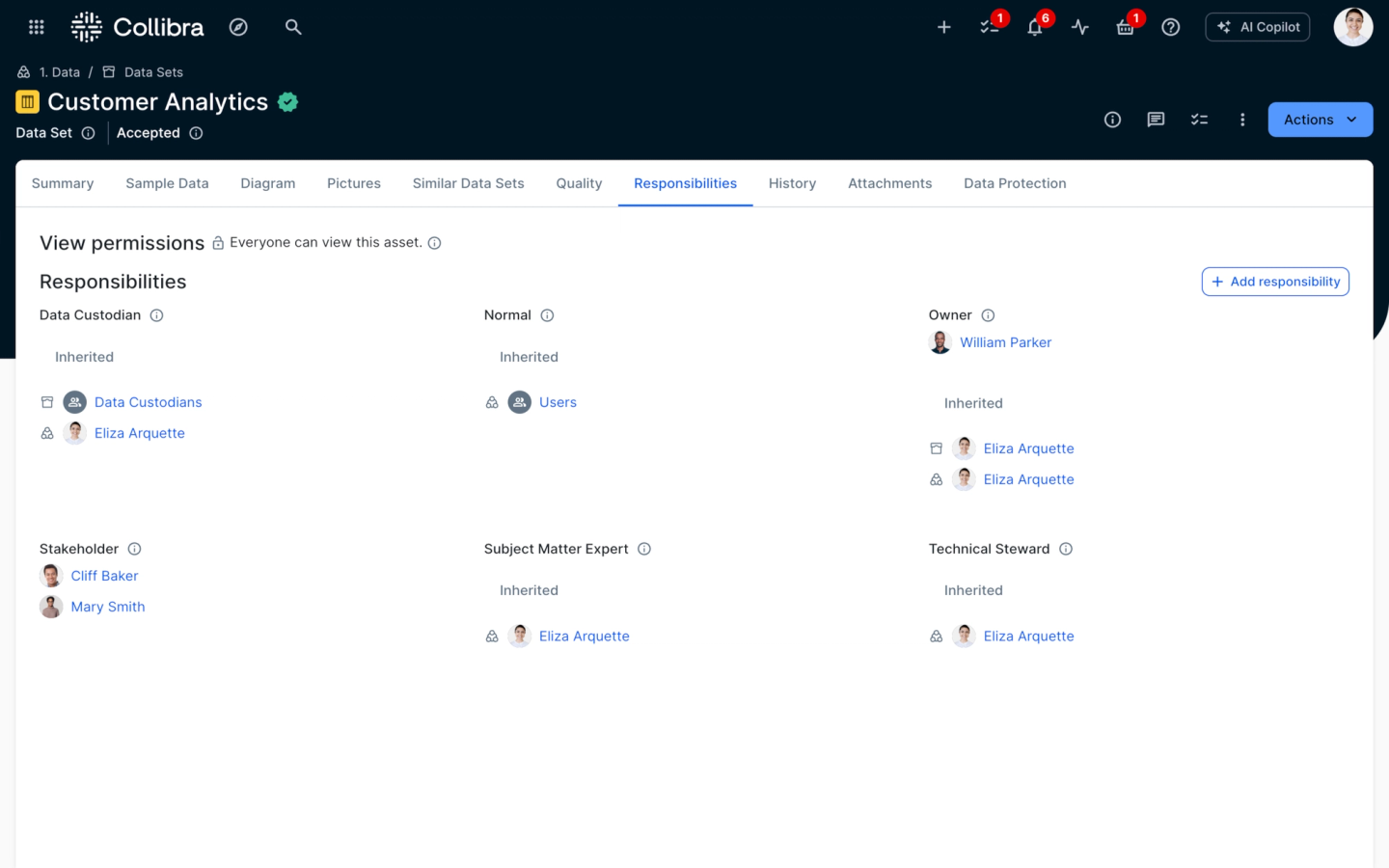
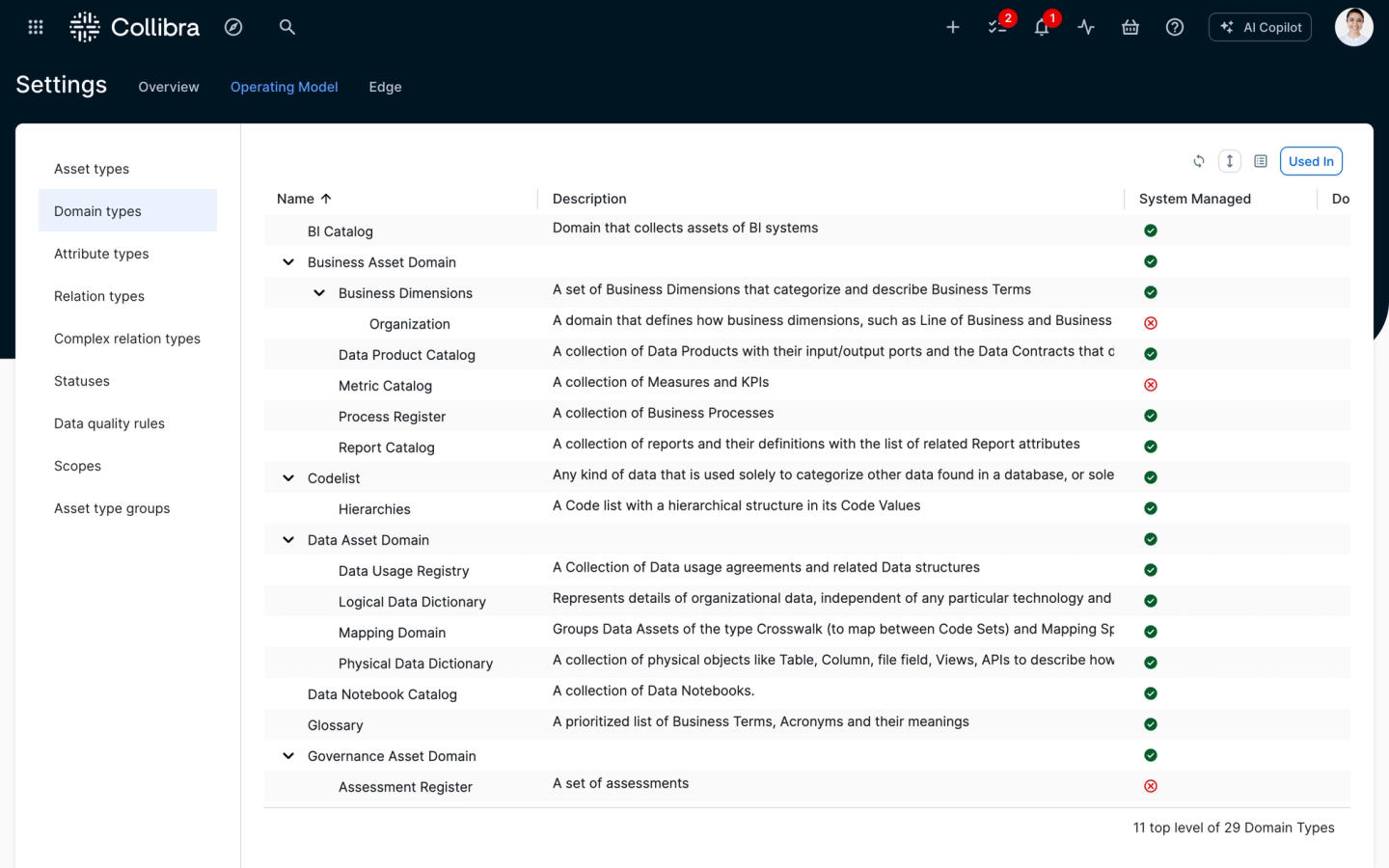
Assign clear accountability

Assign roles and responsibilities to protect data assets from unauthorized access, ensuring the right users access the right data.

  • Safeguard critical assets
    Enforce granular, role-based access controls to protect sensitive information
  • Operationalize accountability
    Mitigate unauthorized exposure by aligning data access privileges with formally defined governance roles and responsibilities
  • Ensure appropriate access
    Assure that the right people access the right data at the right time by establishing clear ownership and access policies

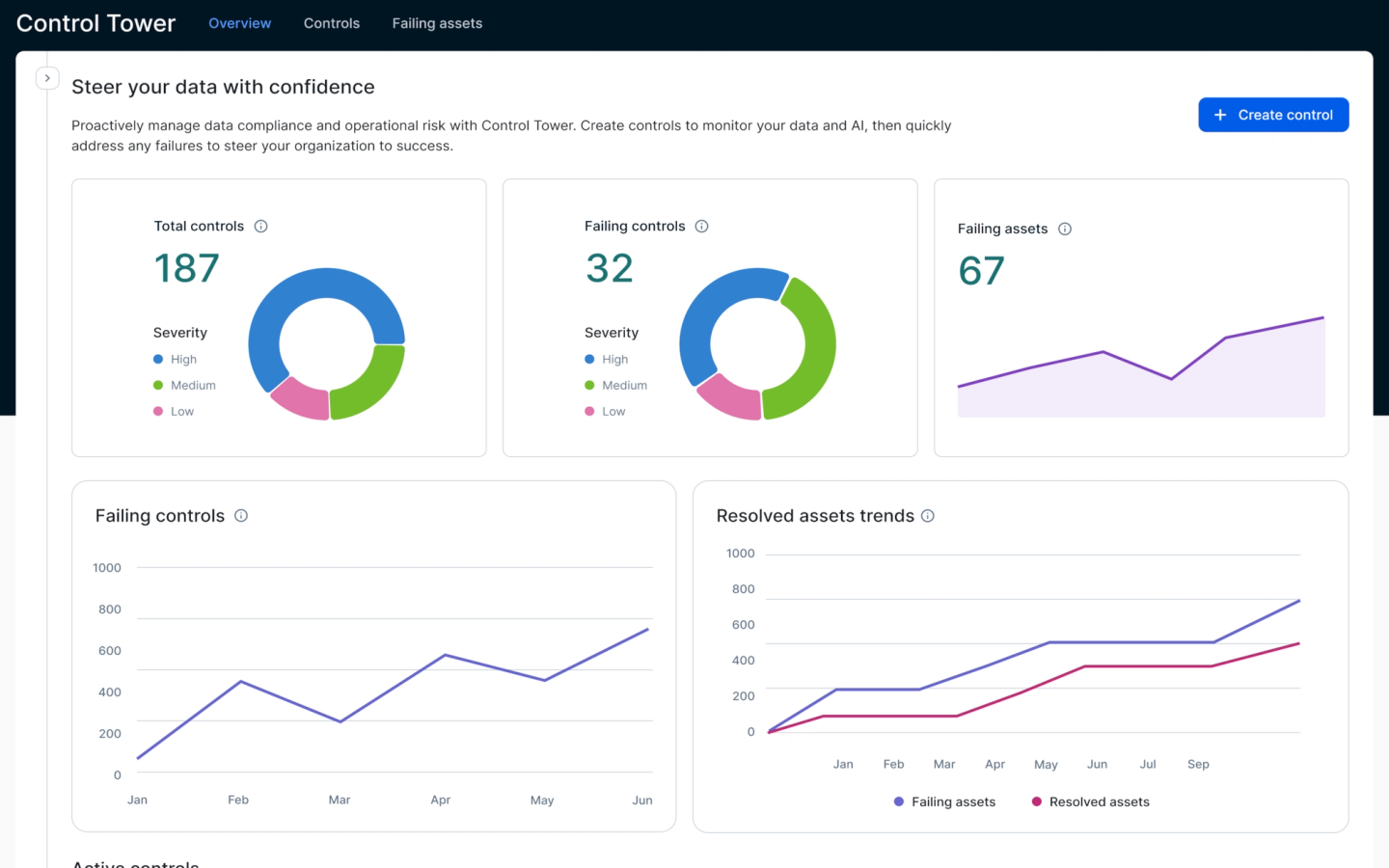
Manage and enforce policies

Protect sensitive data and ensure regulatory compliance by automating compliance checks and flagging violations.

  • Slash operational overhead
    Replace manual verification with automated compliance checks to eliminate bottlenecks and high costs
  • Enforce continuous compliance
    Automatically validate that data assets meet predefined rules and policy conditions in real-time, helping to mitigate risk
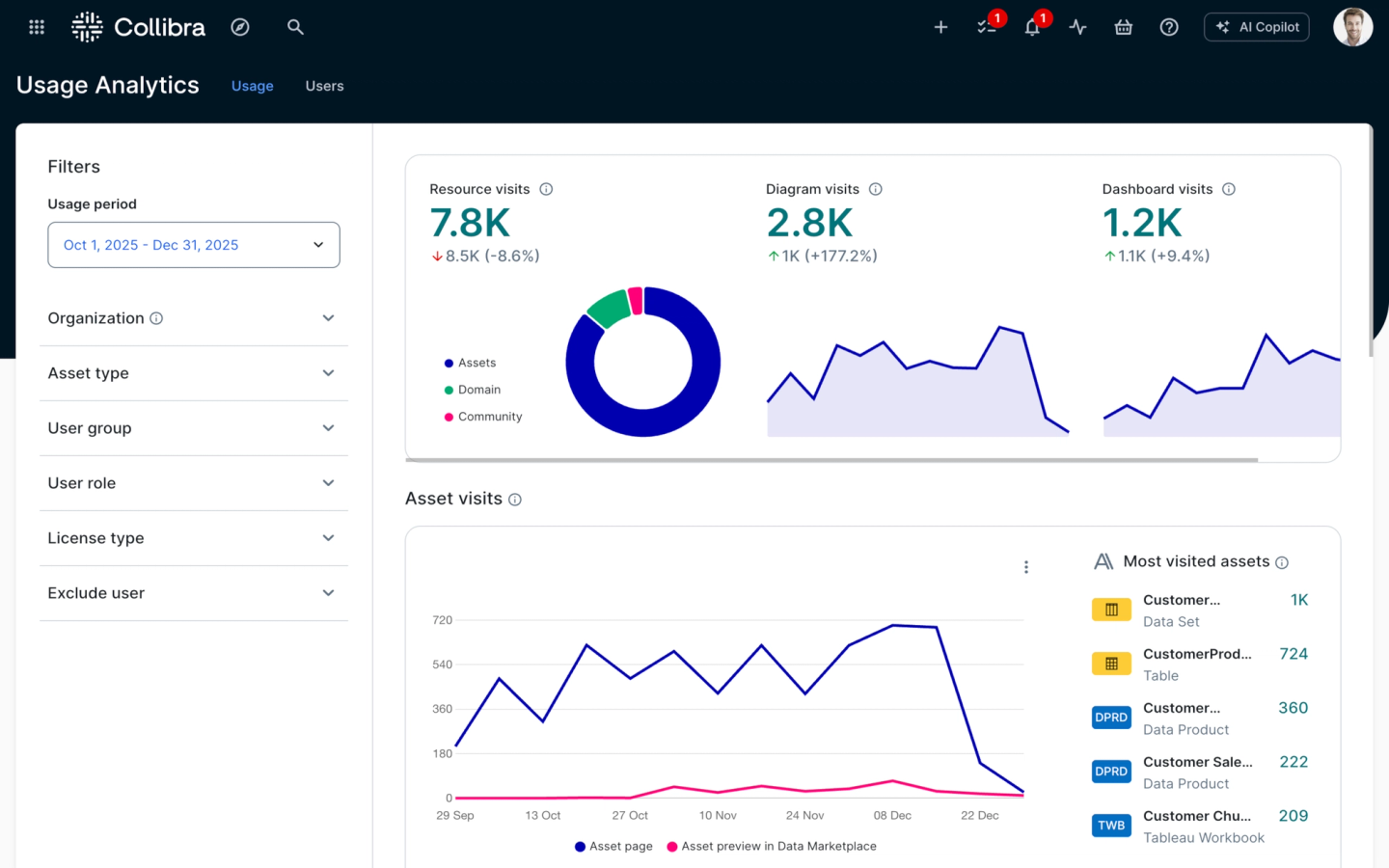
  • Simplify audits
    Provide evidence of compliance during audits with a clean overview of policy adherence

Automate stewardship

Accelerate data curation, classification and governance tasks using AI-driven automation and workflows.

  • Enrich data context
    Use Collibra AI to auto-generate clear, context-aware descriptions for tables, columns, and diagrams, transforming silent metadata into trusted knowledge
  • Accelerate semantic understanding
    Bridge raw data and business meaning to empower both people and AI with trusted context
  • Scale governance efforts
    Eliminate manual tagging bottlenecks by automatically analyzing data sources to classify assets

Learn how data governance transforms and enables your teams

Featured blog post

Collibra blog

Data governance is non-negotiable for AI success—here’s why

Understanding the importance of data governance in the age of AI

The more things change, the more they stay the same. Just as poor data quality compromised the 'big data' era, it remains the primary adversary for today's AI applications. Successful leaders understand a fundamental truth: AI governance is not a replacement for data governance, but a critical extension of it. To build reliable AI systems, these two disciplines must work in tandem.

Read the blog post
Featured resource

Ebook

How to become a data governance expert

Data governance is the skill set that's taking off–are you ready to master it? Well-governed data is the key to success, but getting from a data warehouse to this point takes a little work.

Get the ebook
Featured resource

Ebook

Data governance today: Unified, hybrid and built for AI

Explore how to build a successful data governance initiative with insights on centralized, decentralized, federated and hybrid models. This ebook covers choosing the right governance model, establishing clear roles and responsibilities, defining essential processes, and the benefits of unified governance for trusted data and AI. Learn how to achieve Data Confidence and accelerate innovation.

Get the ebook
Featured resource

Factsheet

Collibra Data Governance: Unlock the value of your data, safely and at scale

Fragmented data landscapes and data silos create inconsistent definitions and compliance risks. Collibra Data Governance operationalizes your strategy by automating workflows and centralizing policies to build a single source of truth. Unlock the value of your data, ensure regulatory readiness and establish a trusted foundation for your data and AI initiatives.

Get the factsheet

Learn. Grow. Be inspired.

From expert insights to guided learning paths and in-depth product resources, we make it easy for every Data Citizen to use data.

Consistently recognized as a leader, setting the standard for what’s next

Gartner® Magic Quadrant for Data and Analytics Governance Platforms

Get the Gartner report

Collibra recognized as a Leader in The Forrester Wave: Enterprise Data Catalogs, Q3 2024

Get the Forrester Wave report

Frequently asked questions

What is data governance and why is it important?

Data governance is the system of policies, processes and roles designed to ensure an organization's data is accurate, trustworthy, consistent and available. It’s the framework for managing and protecting data assets.

Data governance ensures that data is accurate, secure and compliant, enabling organizations to minimize risk and make trusted, data-driven decisions.

What are the benefits of data governance?

By establishing a foundation of trusted data, effective governance unlocks critical organizational capabilities and delivers the following key benefits:

  • Activate AI-readiness: Provide the essential foundation of high-quality, well-understood and governed data required for successful and responsible AI deployment.
  • Strengthen compliance: Proactively manage regulatory requirements and mitigate data-related risks with a clear, auditable governance framework.
  • Increase operational efficiency: Eliminate wasted time spent searching for data, reconciling inconsistencies and resolving data quality issues through a centralized, governed approach.
  • Drive collaboration and data literacy: Foster a shared understanding through a common business language and collaborative tools to support both business and technical users.
  • Accelerate decision-making: Empower teams across the organization to make faster, more confident decisions backed by trusted, easily accessible data.
What are the components of a data governance framework?

A data governance framework aligns organizational goals and challenges to achieve measurable, scalable results and is supported by four key pillars. The four pillars of data governance include:

1. Distinct use cases connecting governance to business outcomes

2. Quantifiable value for assessing success

3. Targeted product capabilities empowering teams through data discovery, collaboration and access

4. A delivery model that supports scalable service for all your data-intensive use cases

What’s the difference between data governance and data management?

Data governance is the strategic framework for policies, roles and responsibilities for handling data within an organization. Data management is the technical execution, handling the logistical processes of acquiring, storing and maintaining that data within the systems.

The road to Data Confidence. Get started today.